Sexual Reproductive Health
Menstruation is a normal part of life is an important aspect to human existence. Menstrual
hygiene is therefore a basic need for the wellbeing of women and girls for which they have
a right to access. It is frowned upon that in Uganda, 23% of adolescent girls between the 12-
19 years leave school after receiving their first menstrual periods due to lack of menstrual
hygiene products.
The subject of menstruation however, is often stigmatized and made taboo in many cultures
in Uganda with some associating menstruating women and girls to being ‘contaminated, dirty
and impure’. Women and girls in rural settings especially the girls in school are faced with
stigma, lack of materials to manage menstrual hygiene and washrooms with private spaces.
With this challenge at hand, it has been noted that menstrual hygiene has been ignored the
health and education sectors. This has driven most girls to using unsanitary alternatives like
old cloths, soil dips among other unhygienic materials. There is therefore, a dire need to
address the issues girls face holistically by advocating for provision of affordable solutions
for every girl.
The provision of durable reusable products is a widely accepted method for millions of
school girls, especially in rural areas where distribution gaps result in girls often having no
products at all. (SDG 3 – Ensure healthy lives and promote wellbeing for all ages, SDG 4:
Ensure inclusive and equitable quality education and promote lifelong learning
opportunities for all, SDG 5: Achieve gender equality and empower all women and girls &
SDG 6- Ensure availability and sustainable water and sanitation for all.
AYE-UGANDA APPROACH
A recent field study by NTV Uganda in a news episode dated 07th February 2024 in Budondo
Subcounty, Jinja City shows that there are adolescent school going girls that come from very
poor family backgrounds and have resorted to use of soil in polythene bags to act as sanitary
pads during their periods.
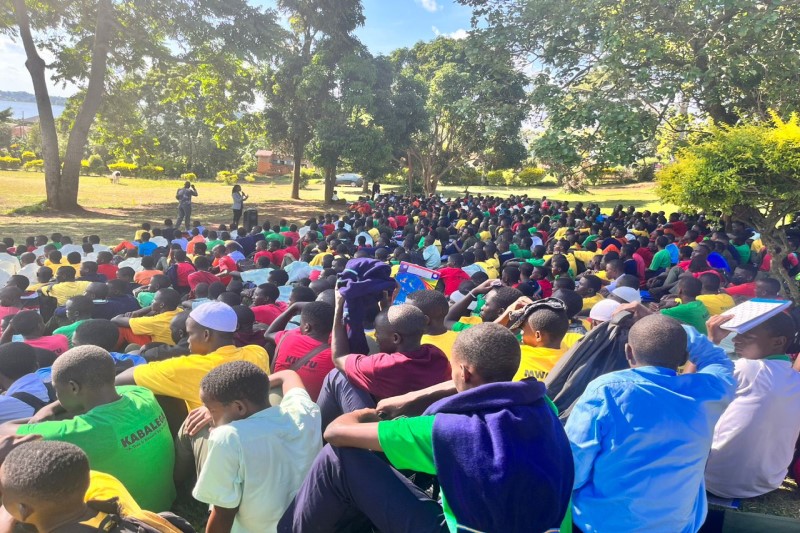
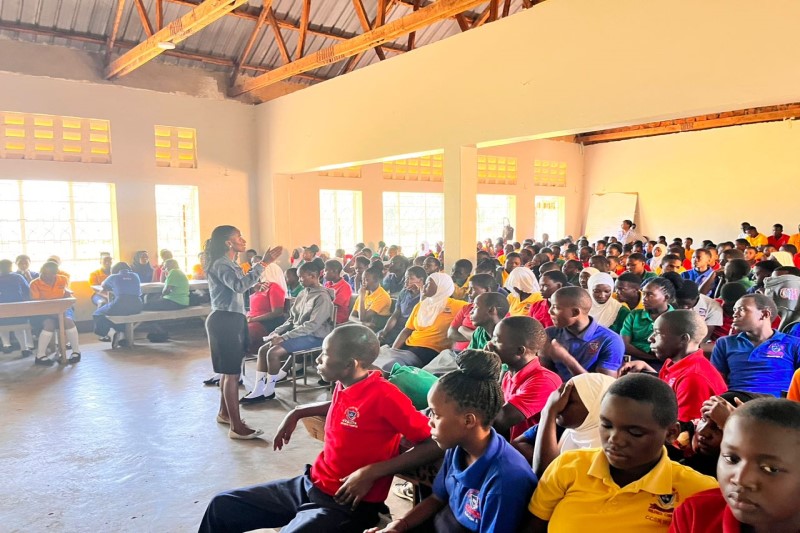
AYE-UGANDA proposes to respond to the need to empower 2000 girls and young mothers
with skills and materials to make reusable sanitary pads, increase awareness of best
menstrual hygiene and sanitation practices and sex education through sensitization
campaigns and trainings in schools and communities.
We do this by;
1. Training more facilitators who will in turn teach girl on making reusable sanitary pads.
2. Establishing small groups in schools and communities through which trainings will be
done.
3. Sensitization campaigns for parents, teachers and the community on the importance
of proper menstrual hygiene.
4. Purchase of Training Materials.
5. Purchase of equipment.
6. Monitoring and evaluation visits.
7. Project documentation and reports.
8. Advocating and lobbing for young mothers in communities and stake holders.